| Mad Jack Fuller and the Gamble |
|---|
|  Although Fuller won the bet it is unlikely that the amount he won compensated for the building costs.
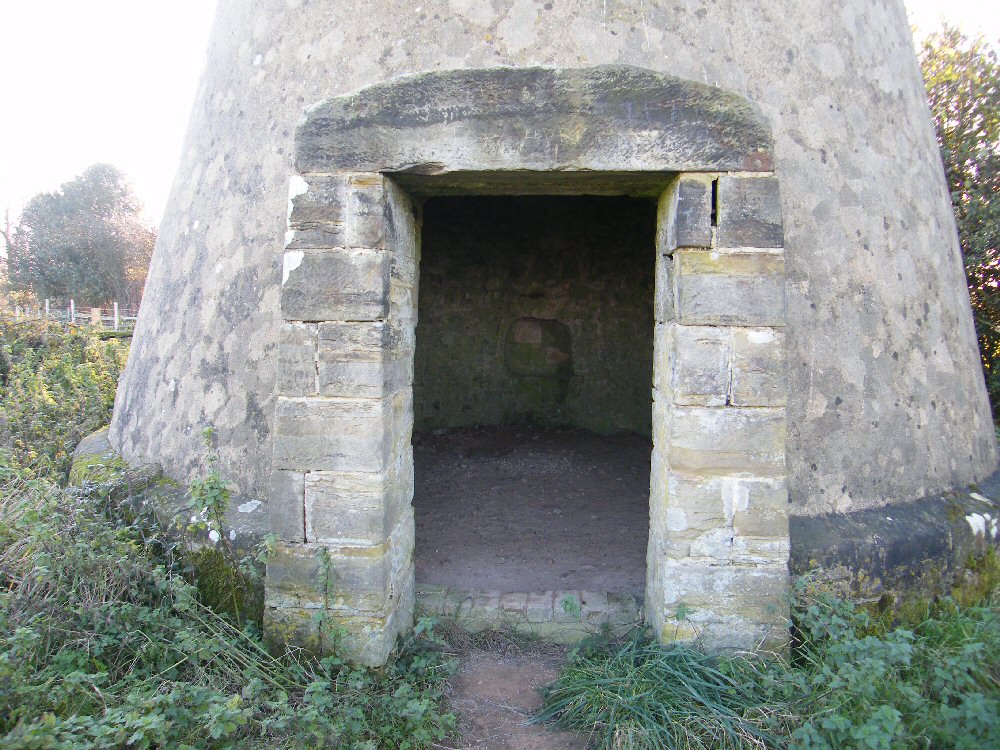
It is thought that the folly was built sometime between 1810 and the late 1820's (but there is no record of the actual date), it stands about 35 feet (10.7 metres) tall, 15 feet (4.6 metres) diameter and overlooks Brightling Park ("Mad Jacks" estate), and was still used as accommodation for the estate shepherd and family until the 1920's.
Access is via a small footpath beside the playing field and you can go in and explore. If you look inside you can see the holes where the upstairs floor was located, and the blocked in windows, which were open in the 20's. It is a tiny structure with just a downstairs with a mud floor, and a ladder to the upstairs, a very cramped home for a family.
|
| |
|---|
What is a Sugar Loaf |
|---|
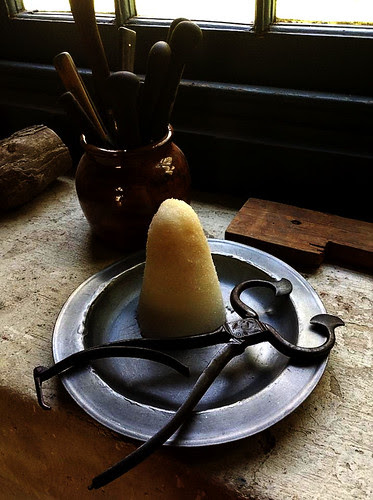 A sugar loaf is a traditional form in which sugar was produced and sold before the advent of granulated sugar. It looks like a tall, rounded cone with a flat base. This form was achieved by pouring hot, liquid sugar into conical molds and allowing it to harden, which made solid lumps of sugar that packed well for shipping.
In historical times, sugar was a luxury item, and the process of refining it from sugar cane or sugar beets was labor-intensive. The loaf form allowed for easier transport and storage. To use the sugar, people would chip off pieces from the loaf with special tools called sugar nips.
Mad Jack would have been very familiar with this shape as the family fortune was made from Jamaican sugar plantations, together with the production of cannons for the Royal Ordnance.
If you would like to see an example of a sugar nip ,its worth visiting Battle Museum of local History where one is on display.
|
| |
|---|
Further Reading |
|---|
If you would like further details of Mad Jack, the Fullers or the Brightling area please click on the following links:
|
|
;)

)